Most people never expect to need a dental crown. However, a tooth may start to feel sensitive while chewing, or a filling may feel different than before. Sometimes, you only notice a crack after taking a closer look in the mirror.
When your dentist tells you that you need a dental crown, confusion can set in quickly. If your tooth does not hurt yet, it is natural to wonder, Why do I need a crown on my tooth at all? That question is completely valid.
The truth is that many dental problems develop quietly before pain ever appears. This guide explains dental crowns in a clear and practical way, helping you understand what they are, why dentists recommend them, and how they protect your tooth before serious damage occurs.
What Is a Dental Crown and Why You Might Need One?
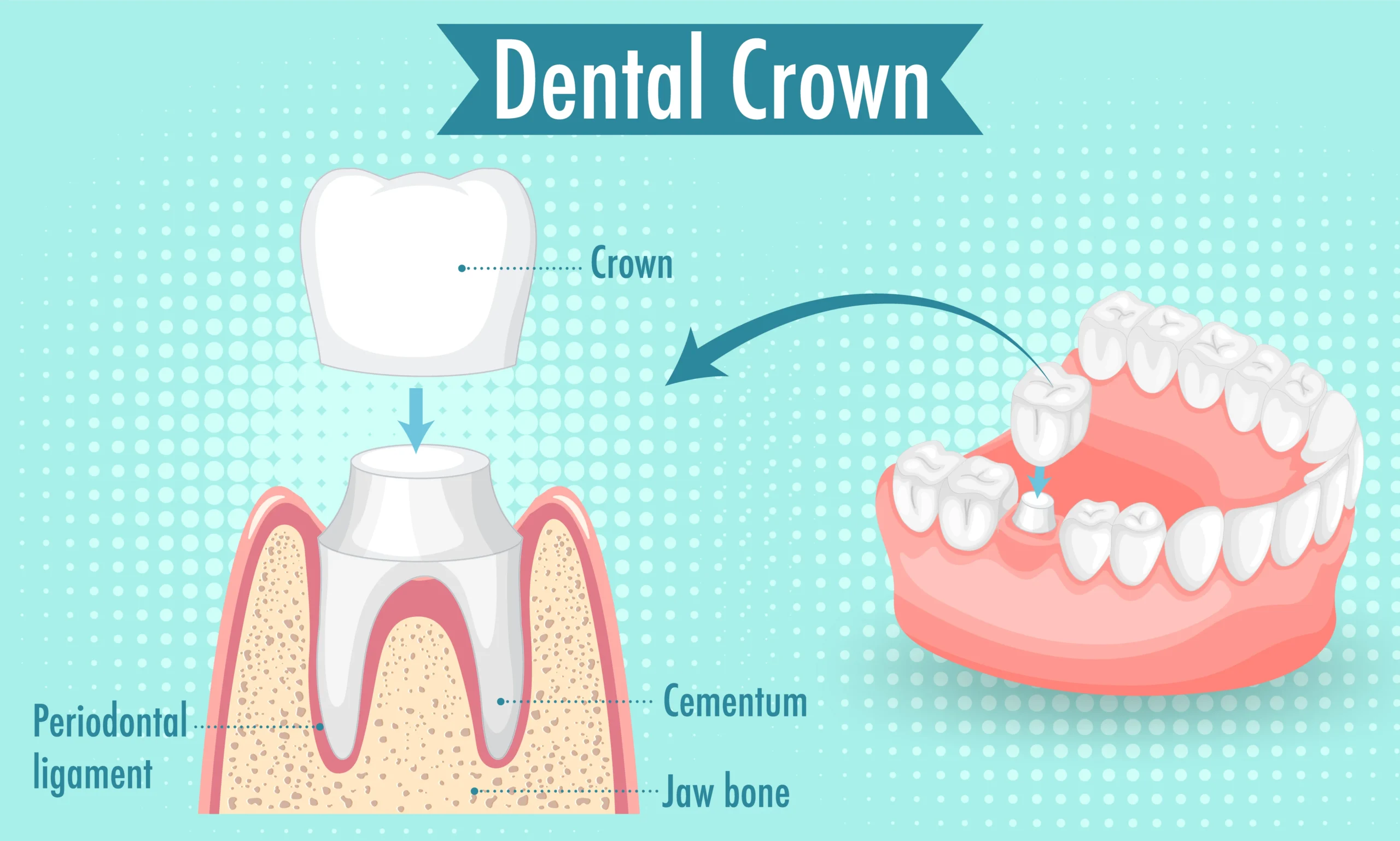
A dental crown is a protective cover placed over a tooth that has lost its strength. Its purpose is simple. It takes over when the natural tooth can no longer handle daily pressure.
You might think a filling would be enough. But sometimes a tooth has been weakened by decay or cracks and is at risk of breaking. A crown protects it from further damage and restores its strength so you can bite and chew normally again.
Without a dental crown, the tooth may continue to weaken or break completely. This can cause severe pain and lead to more extensive treatments such as root canals or extractions.
When Is a Dental Crown Needed?
Dentists often recommend dental crowns before pain appears because structural damage can worsen silently. Common situations where dental crowns are necessary include:
Severe Tooth Decay
A large cavity can weaken your tooth from the inside. While a filling replaces missing enamel, it does not restore strength. Over time, the remaining tooth structure may collapse during chewing. A dental crown provides better protection and long-term stability.
Cracked or Broken Teeth
Small cracks often develop without pain, but they expand with every bite. A dental crown holds the tooth together, stabilizes damage, and reduces stress on the inner layers. Without a crown, infection or sudden fracture becomes more likely.
Root Canal-Treated Teeth
A root canal removes infection but leaves the tooth brittle. A dental crown protects the treated tooth from breaking under pressure.
Worn-Down Teeth
Chronic teeth grinding gradually wears down enamel and alters your bite. A dental crown rebuilds lost tooth height and restores proper bite alignment.
Cosmetic Improvement
Some teeth have deep stains, chips, or uneven shapes that affect their appearance. A crown improves the tooth’s appearance while strengthening it.
Supporting Dental Restorations
Dental bridges and implants rely on crowns to replace the visible, functional part of the tooth. The crown allows you to bite and chew normally while protecting the underlying structure of the restoration.
4 Main Types of Dental Crowns That Can Strengthen Your Teeth
Understanding why you need a dental crown is the first step. Choosing the right type depends on tooth location, chewing pressure, and appearance goals.
| Crown Type | Best Use | Why It Works |
| Porcelain or Ceramic | Front teeth | Natural appearance |
| Porcelain-Fused-to-Metal | Front or back teeth | Strength with aesthetics |
| Metal Crowns | Molars | Long-term durability |
| Zirconia Crowns | Any tooth | Strength with a natural look |
1. Porcelain or Ceramic Crowns
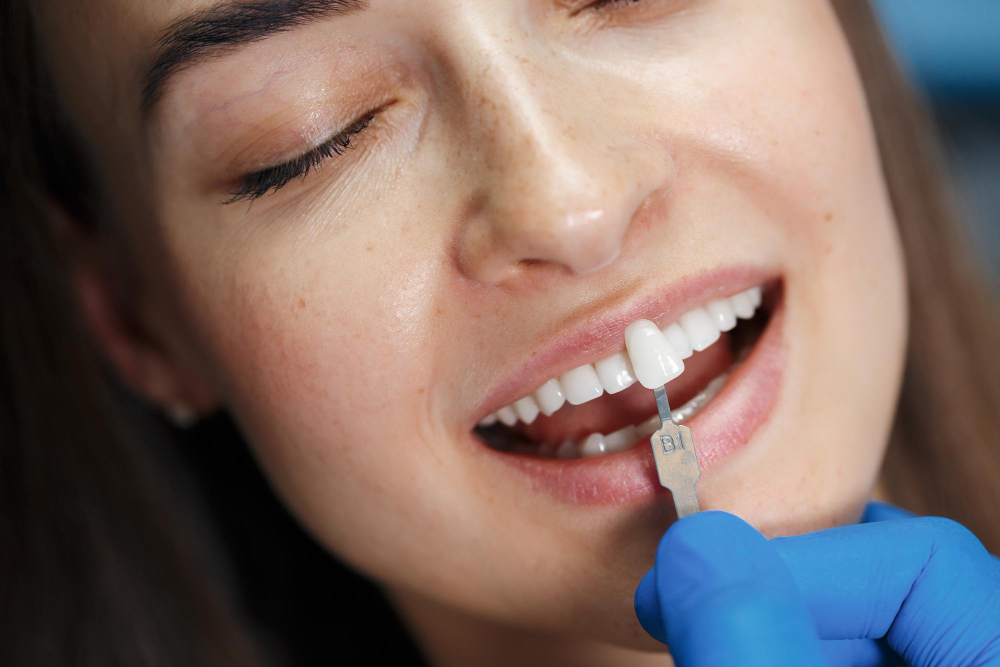
Porcelain crowns look just like your natural teeth. They reflect light the same way enamel does. Dentists recommend them for front teeth, where appearance matters most.
2. Porcelain-Fused-to-Metal (PFM) Crowns
PFM dental crowns combine a strong metal base with a tooth colored exterior. They offer durability with a natural look and work well for visible teeth that handle pressure.
3. Metal Crowns (Gold or Alloys)
Metal dental crowns are extremely durable and rarely fracture. They are commonly used on back molars that experience heavy chewing forces.
4. Zirconia Crowns
Zirconia dental crowns provide exceptional strength and a natural appearance. They are suitable for almost any tooth and offer long-term durability, though they typically cost more.
How Do Dentists Place a Crown? Step-by-Step Process
Understanding the crown placement process helps reduce uncertainty.
Step 1: Examination and Tooth Preparation
First, your dentist examines the tooth and takes its X-rays to check the roots and surrounding bone. Any decay is removed at this stage. Then the tooth is shaped so the crown fits properly.
Step 2: Impressions or Digital Scans
Next, the dentist takes an impression of your tooth and the surrounding teeth. This impression is used to create a crown that fits perfectly and matches your bite.
Step 3: Temporary Crown
A temporary crown is placed over your tooth to protect it while the permanent crown is being made. It helps reduce sensitivity and makes eating comfortable during this time.
Step 4: Permanent Crown Placement
Once the permanent crown is ready, your dentist removes the temporary one and checks the fit and color. If everything looks good, the crown is cemented in place to restore strength and function to your tooth.
Oso Marguerite Dental: Where Crowns Restore Smiles Every Day
Oso Marguerite Dental focuses on preserving natural teeth through carefully planned crown treatments. Here, you’ll get clear explanations and honest guidance so you understand exactly why a crown is recommended.
Every treatment focuses on preserving your natural teeth, and the process is gentle and comfortable. With modern technology and a welcoming environment, you will feel informed and supported every step of the way.
Conclusion
A dental crown becomes necessary when a tooth can no longer protect itself. Crowns help you prevent infections and unexpected dental emergencies.
If you are asking, Do I really need a crown? the answer often comes down to acting before pain starts. Early treatment preserves your tooth and gives you peace of mind.
When you’re ready for patient-focused care, Oso Marguerite Dental in Mission Viejo is here to guide you every step of the way.
FAQs
When are dental crowns necessary?
Dental crowns are necessary when a tooth becomes weak or unstable. They prevent cracks from spreading and help you avoid tooth loss.
What is the difference between dental caps and crowns?
There is no difference. Dental caps and crowns refer to the same treatment that covers and protects a tooth.
Should I get a crown even if my tooth doesn’t hurt?
Yes. Many damaged teeth do not cause pain until they fracture. A dental crown prevents problems before they become painful.
When do you need a dental crown after a root canal?
After a root canal, the tooth becomes brittle. Dentists usually recommend placing a dental crown within a few weeks to protect the tooth and ensure long-term durability.


