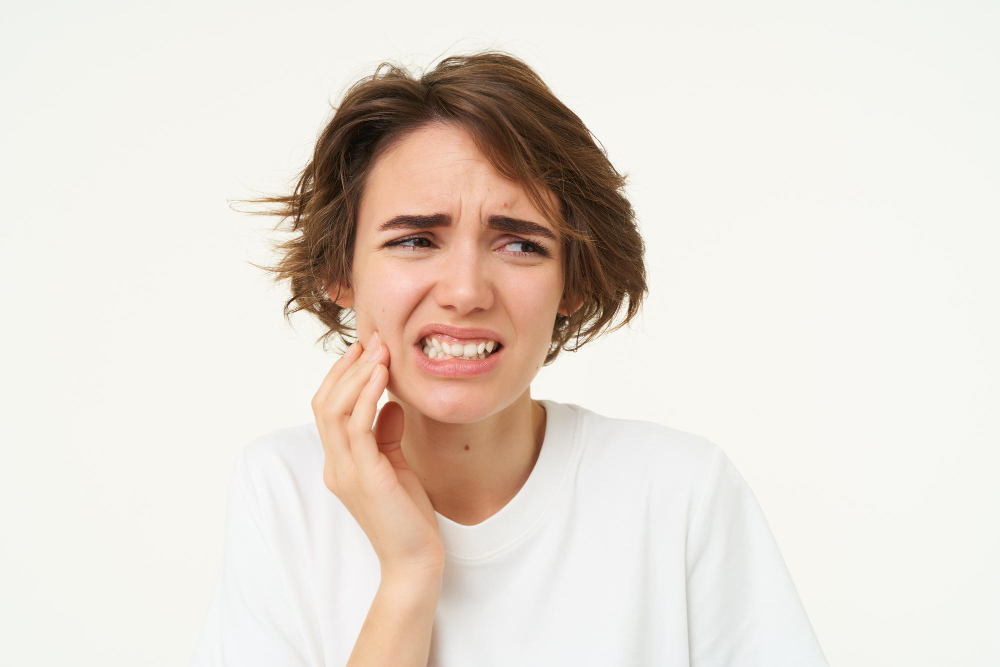
Have you ever taken a bite of your favorite meal and suddenly felt a sharp pain in one of your teeth? As frustrating as it is, that moment raises an obvious question: Why do my teeth hurt when I bite down when everything feels fine the rest of the time?
This guide explains the real reasons behind biting pain. You will learn how to recognize the symptoms and when to take action before a small problem becomes serious.
Why Do My Teeth Hurt When I Bite Down?
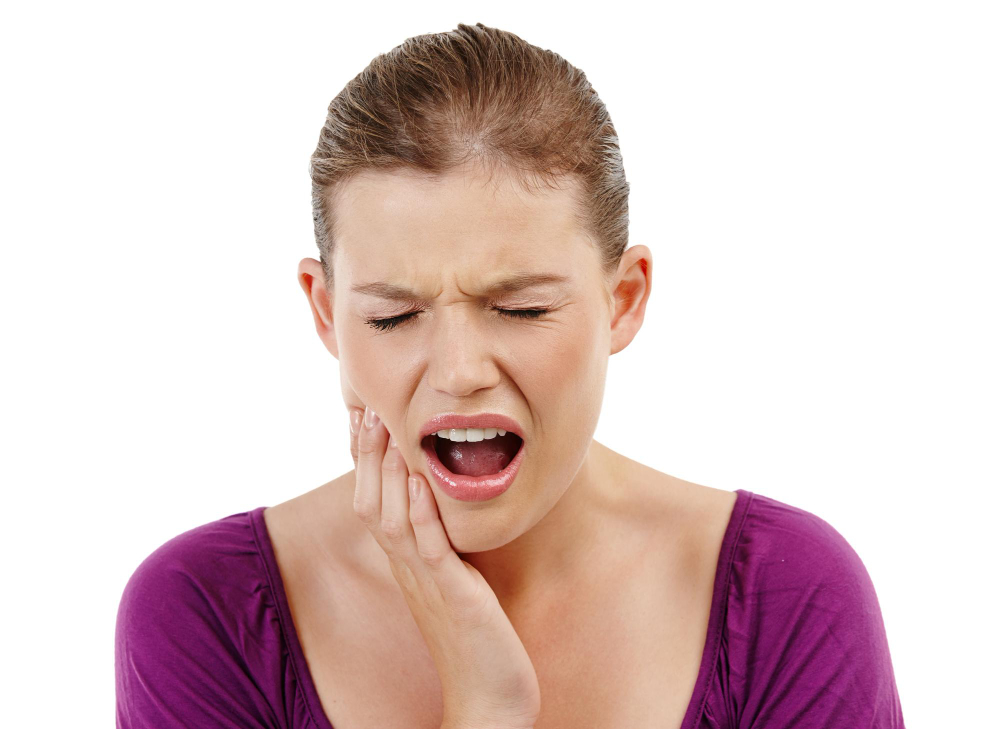
Pain during chewing often indicates weak spots or inflammation that you cannot feel when your mouth is at rest. Let us walk through the most common causes in a way that helps you truly understand what is happening inside your mouth.
1. Cracked or Fractured Tooth
If your tooth hurts sharply the moment you bite and feels better when you stop, this often points to a crack. These cracks can be tiny and completely invisible.
Biting forces the crack to flex slightly, which irritates the nerve inside your tooth. The pain feels sudden because the nerve responds immediately. Grinding your teeth or biting hard foods over time can create these fractures.
If the problem is ignored, bacteria can enter through the crack, increasing your risk of infection and eventual tooth loss. Whenever you notice this type of pain, see a dentist promptly to prevent further damage.
2. Tooth Decay or Cavities
Cavities gradually weaken your tooth structure. Early decay may cause no discomfort at all. The tooth loses strength as decay spreads deeper. Biting pressure then pushes directly onto the damaged area and reaches the sensitive layers beneath your enamel.
Pain during biting usually means the cavity has progressed deep enough to affect the nerve. Early treatment protects the tooth and helps you avoid more complicated procedures.
3. Loose or Damaged Dental Filling
If you have a filling and feel pain when chewing, the filling may no longer fit correctly. Over time, fillings can loosen or wear down, causing uneven pressure distribution. This stresses the tooth structure and irritates the underlying nerve.
You may notice pain when eating firm foods or feel a slight shift in the filling. Repairing the filling early restores balance and prevents new decay from forming underneath.
4. Infected Tooth or Dental Abscess
An infection inside the tooth causes inflammation around the root. This inflamed area becomes extremely sensitive to pressure. When you bite down, the pressure compresses the swollen tissues and triggers deep, throbbing pain.
This type of pain does not go away on its own and often worsens over time. You may also notice gum swelling or a bad taste in your mouth. These signs indicate that bacteria have reached the tooth nerve. Prompt treatment stops the infection from spreading and relieves discomfort.
5. Gum Disease (Periodontal Disease)
Your teeth rely on healthy gums and bone for support. Gum disease weakens this foundation, making teeth sensitive to biting pressure because inflamed tissues and exposed roots cannot handle stress properly.
As support weakens, chewing becomes uncomfortable or painful. Treating gum disease can restore stability and reduce pain during everyday activities such as eating.
6. Teeth Grinding or Clenching (Bruxism)
Grinding or clenching places repeated stress on your teeth, often during sleep. Over time, enamel wears down and small fractures develop. You may not feel pain until pressure is applied.
Many people ask, Why do my front teeth hurt when I bite down? Front teeth often absorb significant pressure during clenching. Biting pain is a warning sign that your teeth need protection from ongoing stress.
7. Sinus Infection or Sinus Pressure
Your upper teeth sit close to your sinus cavities. When sinuses become inflamed, pressure transfers to the roots of the upper teeth. Biting increases that pressure and causes discomfort.
This is why you may wonder, Why do my top teeth hurt when I bite down? In many cases, the pain comes from sinus congestion due to a cold or sinus infection rather than a dental issue. It usually affects several teeth at once instead of just one.
A dental exam may reveal no tooth damage at all. Treating the sinus inflammation often relieves the tooth pain.
8. Recent Dental Work
Mild sensitivity after dental procedures such as fillings, crowns, bridges, or root canals is normal as your bite adjusts. Pain that continues beyond a few days usually means something is wrong.
If one tooth makes contact before the others, it absorbs more pressure and causes soreness during chewing. A quick bite adjustment usually resolves the issue and restores comfortable chewing.
How Oso Marguerite Dental Can Help You Find Relief
Identifying the exact cause of biting pain takes careful examination. At Oso Marguerite Dental, we begin by listening to your experience. We examine your teeth thoroughly and use advanced imaging to spot hidden damage. Everything gets explained clearly so you understand your options and feel confident about your treatment.
Our patient centered approach prioritizes your comfort and provides honest recommendations. We only suggest treatments that truly support your oral health. With full service dental care under one roof, we can resolve your pain efficiently while protecting your teeth for the long term.
Conclusion
Pain when biting is never something to ignore. It signals that your teeth or gums need attention before the problem worsens. Acting early helps prevent prolonged discomfort and avoids more complex treatment later.
If you keep wondering why do my teeth hurt when I bite down hard’’, a professional evaluation gives you the answers you need. At Oso Marguerite Dental, our team helps you regain comfort and enjoy every meal without pain.


