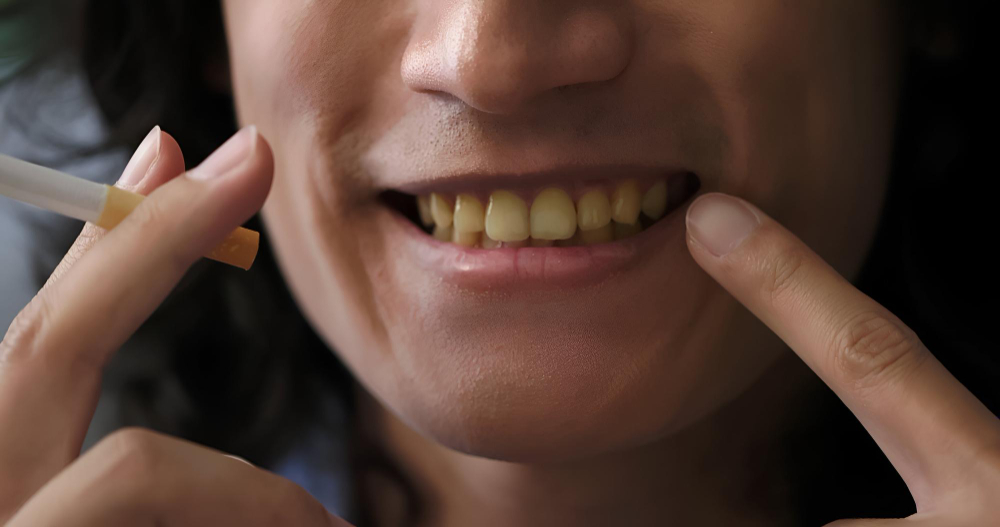
You brush your teeth twice a day, maybe even floss and use mouthwash, but when you smile in the mirror, your teeth look much yellower. It’s confusing and, honestly, a little disheartening.
Yellowing of teeth can happen for a variety of reasons, and some of them are completely unrelated to how well you brush.
In this guide, we will explain what actually causes yellow teeth even with daily care. We will also share practical tips and treatment options to help you achieve a brighter smile.
Why Do Teeth Turn Yellow Even With Good Oral Hygiene?
Brushing plays an important role in oral health, but it cannot prevent every cause of tooth discoloration. Changes in tooth color can come from both surface stains and internal factors. Understanding each cause helps you identify what is happening inside your mouth and choose the right solution.
Enamel Thinning Over Time
Your tooth enamel acts as a protective outer layer and gives teeth their bright appearance. Over time, enamel naturally thins due to everyday use. Brushing too hard can accelerate this wear, while acidic foods further weaken enamel.
As enamel becomes thinner, the yellow dentin underneath becomes more visible. This type of discoloration comes from inside the tooth rather than from poor oral hygiene.
Foods and Drinks That Stain Your Teeth
What you eat and drink affects tooth color more than many people realize. Coffee leaves dark pigments on enamel. Tea has similar effects, and red wine stains quickly.
Even healthy foods can contribute to yellow teeth. For example, berries contain natural pigments that cling to enamel and gradually dull tooth brightness. Brushing removes some stains, but not all. Over time, these pigments build up and change the color of your teeth.
Plaque and Tartar Buildup
Plaque and tartar buildup is another common cause of yellow teeth. Plaque forms daily, and brushing removes most of it. However, plaque can remain in hard to reach areas. Over time, it hardens into tartar.
Tartar traps stains and creates a yellow or brown appearance near the gumline. Toothbrushes cannot remove tartar, so professional dental cleaning is required.
Aging and Natural Tooth Changes
Teeth naturally change color as you age. Enamel wears down gradually, while dentin thickens. These changes make teeth appear darker over time.
This process occurs even in people with excellent oral hygiene, so age related yellow teeth do not mean neglect. They reflect natural changes in tooth structure.
Smoking and Tobacco Use
Tobacco is one of the strongest contributors to yellow teeth. Whether smoked or chewed, tobacco particles cling to enamel and settle into tiny surface cracks. Brushing removes very little of this staining.
Over time, teeth can develop noticeable yellow or brown discoloration.
Medications and Medical Conditions
Some medications can affect tooth color. Certain antibiotics taken during childhood can permanently darken developing teeth. In adulthood, medications such as antihistamines or chemotherapy drugs may contribute to staining over time.
Health conditions can also affect tooth color. Enamel hypoplasia, a condition in which teeth don’t form properly, can make teeth more vulnerable to discoloration. Conditions that reduce saliva production, like dry mouth associated with diabetes allow stains from beverages like coffee or wine to adhere more easily, causing teeth to appear yellow over time.
Genetics and Tooth Structure
Tooth color can be inherited. Some people naturally have thinner enamel or thicker dentin. Both factors can make teeth look darker, even with excellent oral hygiene.
Can You Fix Yellow Teeth?
Yellow teeth are not permanent. The right solution depends on the type of discoloration. Surface stains respond differently than internal stains. Here are three effective options.
- Professional Dental Cleaning
Professional cleaning removes plaque, tartar, and many surface stains. It often improves tooth color more than expected and is usually the first step in addressing yellow teeth.
- Professional Whitening Treatments
Professional whitening works faster and more evenly than over-the-counter products. These treatments use safe bleaching agents that break down stain molecules within the enamel. Results vary based on the cause of discoloration. Surface stains respond best, while some internal stains may also lighten.
- Bonding or Veneers for Deep Stains
Some stains do not respond well to whitening treatments. Deep internal discoloration may require dental bonding or veneers. These options cover the tooth surface with tooth-colored materials and can create a brighter, more uniform appearance quickly.
How to Safely Reduce Yellowing on Teeth at Home?
Home care supports professional treatment but it cannot replace it. Still, smart habits help reduce staining and protect enamel, such as:
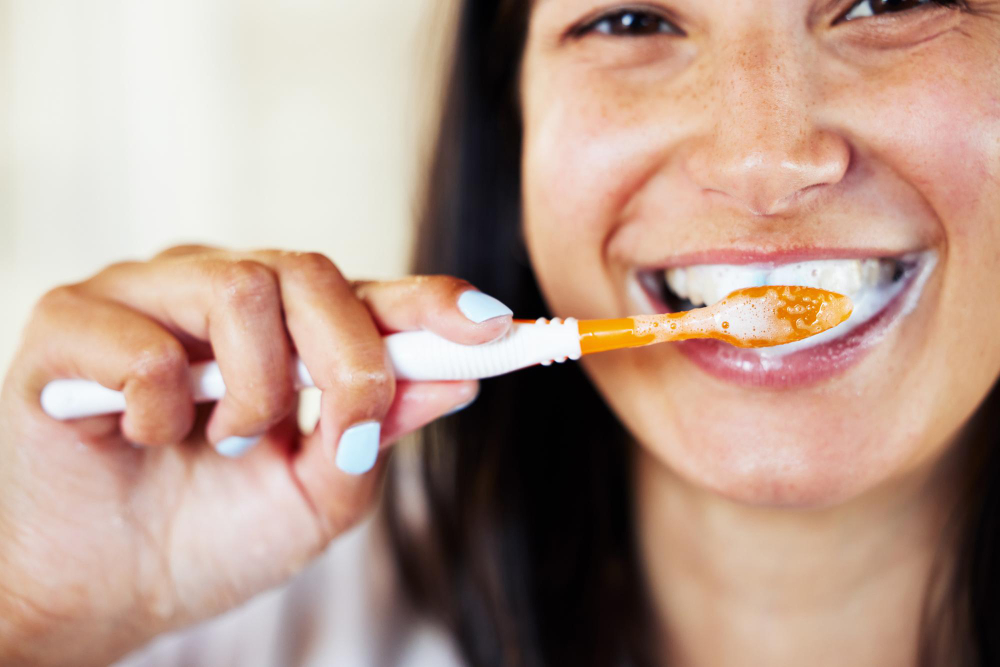
- Use a soft toothbrush and brush gently in small circles. Harsh scrubbing can wear down enamel and make yellowing worse.
- Choose toothpaste designed for stain removal. It polishes teeth gently without scraping enamel.
- Rinse your mouth with water after coffee or tea to reduce how long pigments stay on your teeth.
- Limit acidic drinks like soda and energy drinks, as they can weaken enamel and make stains more noticeable.
- Avoid home remedies that promise instant whitening, such as lemon juice or baking soda. These drinks can damage enamel and worsen discoloration over time.
Conclusion
Yellow teeth can appear even when you brush every day. This happens because of enamel wear, staining habits, genetics, medications, and aging. Understanding the real cause helps you choose the right solution.
Some people just need a good cleaning. Others see results with whitening treatments. Deep stains might need more advanced care. The important part is getting the right evaluation and using safe methods.
At Oso Marguerite Dental, we help patients understand why their teeth look the way they do. We work with you to pick solutions that protect your long-term health and bring back your confidence when you smile.


