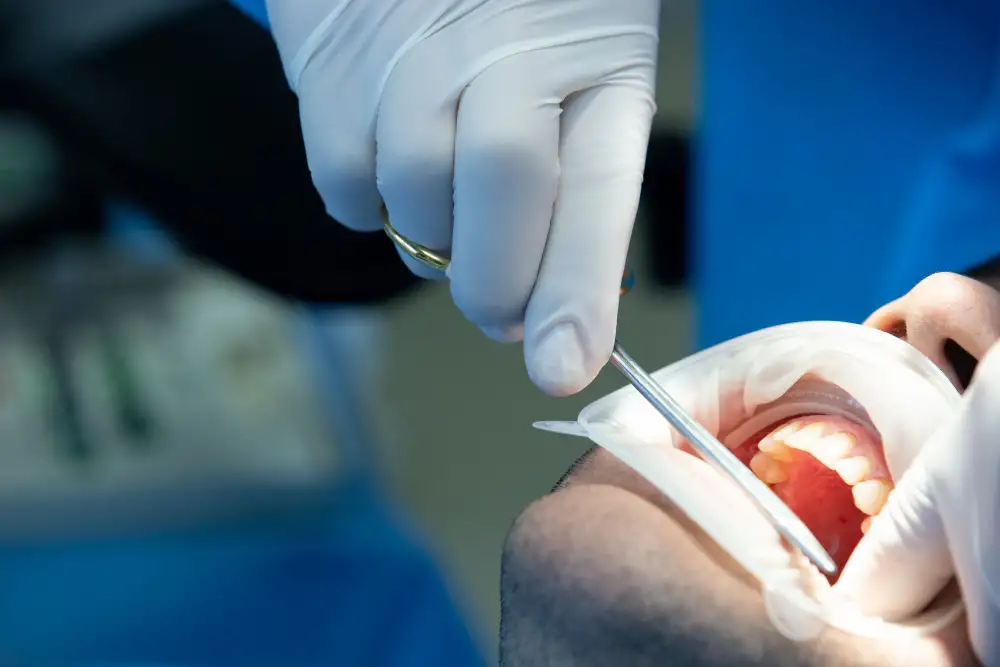
Root canal therapy is gentle and one of the best ways to save your natural tooth while easing pain.
If you’ve ever wondered what happens during this procedure or how long it takes, this guide clearly explains when to get treated, what to expect, and the main risks and benefits.
What Is Root Canal Therapy?
Root canal therapy is a dental procedure used to save a tooth that’s become badly decayed or infected inside.
Every tooth has a soft center called the pulp, which contains nerves and blood vessels that keep it alive. When bacteria reach this inner layer, often from deep cavities, cracks, or injury, it can lead to pain, swelling, and infection.
During root canal therapy, the infected pulp is carefully cleaned out, the space is disinfected, and the tooth is sealed to protect it from future problems.
This treatment helps you keep your natural tooth rather than having it extracted, restoring your comfort and oral health.
Signs You Might Need Root Canal Treatment
When the inner part of a tooth becomes infected, you may notice some symptoms. You may need a root canal if you notice:
- Persistent or throbbing tooth pain
- Swelling or tenderness in your gums
- Pain when chewing or touching the tooth
- Sensitivity to hot or cold that stays longer
- A darkened tooth or pimple-like bump on your gums
If you experience any of these, schedule a visit with a trusted Mission Viejo dentist before the infection spreads.
What Happens During Root Canal Treatment
Once your dentist confirms that a root canal is necessary, understanding what happens next can make the experience less intimidating. Here’s a quick look at what to expect during the procedure:
1. Local Anesthesia for Comfort
Before starting, your dentist applies a local anesthesia to fully desensitize the tooth and the nearby tissues. This ensures that you stay comfortable and relaxed throughout the procedure. You may only feel light pressure, but not pain.
2. Cleaning and Removing Infected Pulp
Once the tooth is numb, a tiny opening is made on the top of the tooth to reach the inner pulp chamber. This area contains nerves and tissue that have developed an infection because of deep injury. The dentist carefully removes this damaged pulp to stop the infection and relieve pain.
The inside of the tooth is then cleaned and disinfected to remove any remaining bacteria. This helps prevent future infection and prepares the canal for sealing.
3. Filling and Sealing the Canals
After cleaning, the canals are shaped to fit a special filling material called gutta-percha. This rubber-like material is placed inside to close the canals tightly and stop bacteria from getting back inside. The seal acts as a protective barrier and reinforces the tooth’s internal structure.
Once filled, a temporary or permanent filling is placed on top to close the opening. This step restores stability and keeps the treated tooth safe until the final restoration is added.
4. Placing a Crown or Filling to Restore Function
Finally, your dentist restores the tooth with a natural-looking crown or durable filling. This final step not only improves appearance but also reinforces the tooth so it can work just like before.
How Long Does Root Canal Therapy Take?
One of the most common questions patients ask is how long does root canal treatment take. In most cases, the entire procedure can be completed in one visit that may last for 60 to 90 minutes.
However, the exact time can vary based on:
- The number of canals in your tooth (molars have more)
- How severe the infection is
- Whether a crown or buildup is needed afterward
Root Canal Therapy Side Effects and Recovery
After treatment, most patients are pleasantly surprised by how easy recovery is. A few root canal therapy side effects are completely normal and temporary:
- Mild soreness or tenderness: Your tooth and gums may feel a little sore for a few days.
- Temporary sensitivity: You may also notice slight discomfort and sensitivity when chewing.
- Rare complications: Minor swelling or discomfort that lasts longer than a few days may need follow-up care.
Usually, over-the-counter pain relief and avoiding hard foods for a short while are all that is needed. Within days, your tooth feels strong, stable, and pain-free again.
Benefits of Getting Root Canal Therapy
Root canal therapy helps you get relief from pain and infection. Once the infected tissue is removed, the tooth starts to heal, and you can feel comfortable again. Here are some of its benefits:
- It saves your natural tooth.
- Prevents the need for extraction.
- It keeps your smile natural and confident.
- It restores normal chewing ability and lets you eat without pain.
The treatment also protects your oral health in the long run. By sealing the tooth and stopping the spread of bacteria, it helps prevent future damage and bone loss. With proper care, the treated tooth may last for many years.
How Oso Marguerite Dental Makes Root Canal Therapy Comfortable
Oso Marguerite Dental in Mission Viejo offers root canal therapy with care and expertise built over 40 years. Our experienced team guides you through each step before beginning treatment, so you always feel informed and confident.
Patients are treated by skilled professionals who focus on comfort and long-term results. We have hundreds of positive reviews where our customers shared their experiences, praising the gentle care and lasting relief they received after root canal therapy.
Final Thoughts
So, now you know that root canal therapy is a proven and effective way to save a damaged tooth and restore lasting comfort. It protects both your oral health and your natural smile.
If you are dealing with persistent pain or swelling, seek dental care as soon as possible. Early treatment makes recovery easier and prevents further complications.


