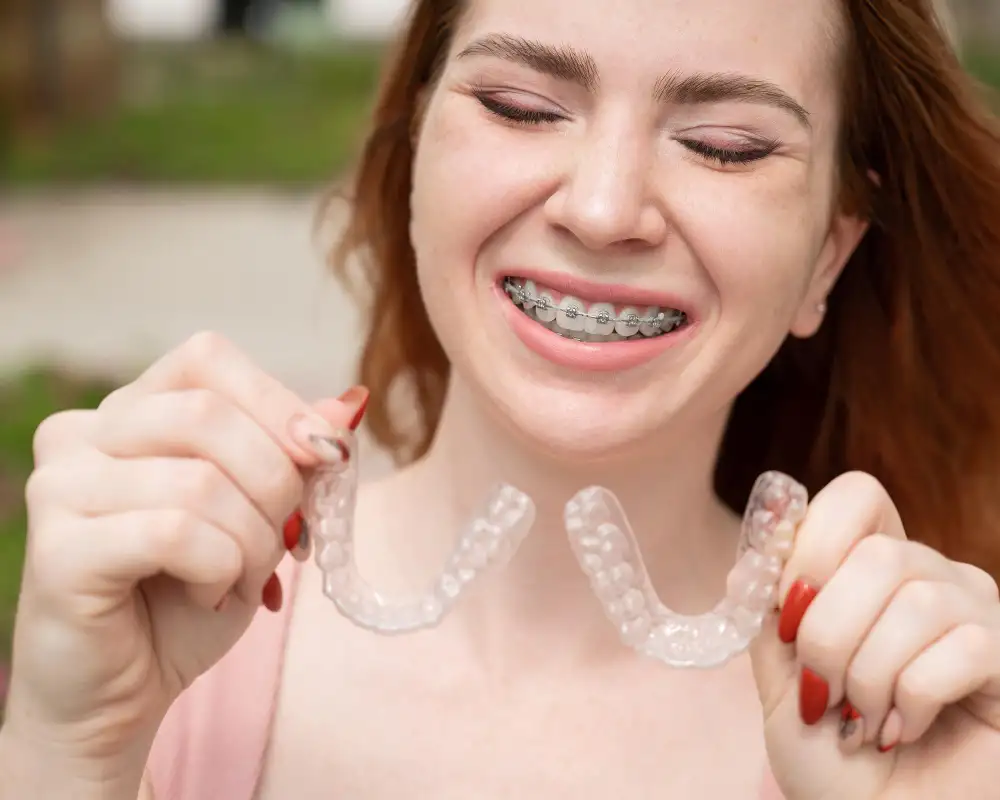
Do you want a straighter smile but can’t decide between Invisalign and braces? Many people spend months deciding which is more comfortable and worth the investment, as both promise beautifully aligned teeth but work in different ways.
Considering factors like treatment time, daily convenience, and long-term results can help you choose the option that’s right for you.
In this guide, you will explore both treatments in depth so you can make an informed choice that fits your lifestyle and the unique needs of your teeth.
What’s the Difference Between Invisalign and Braces?
The most significant difference between Invisalign and braces is how they look and how they move your teeth.
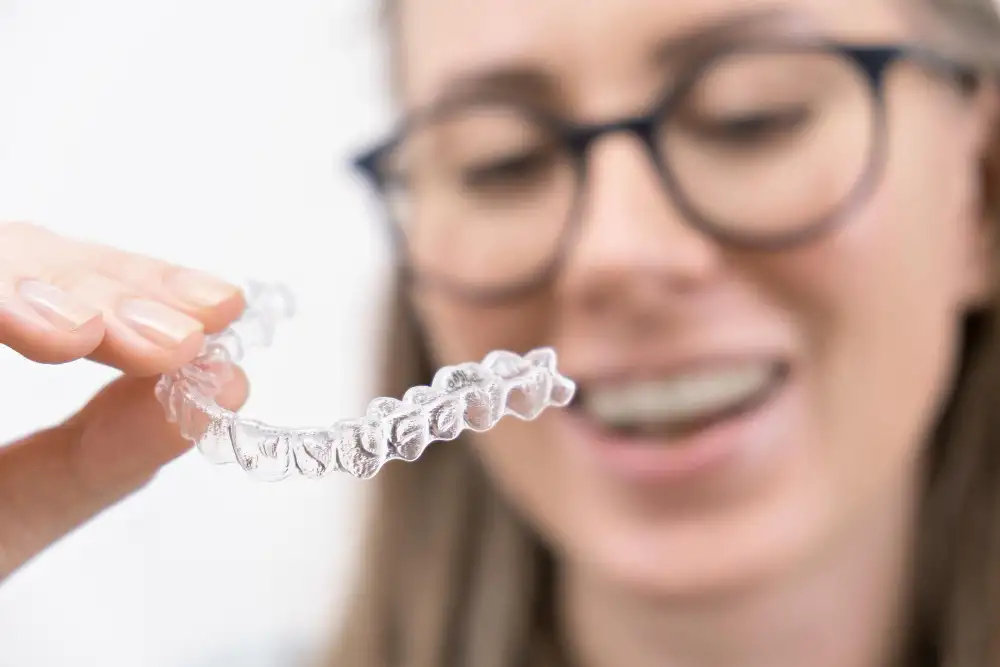
Invisalign uses removable trays called aligners made from smooth and medical-grade plastic. As you switch from one set of aligners to the next, your teeth are gently guided into the right place.
They are comfortable to wear and almost invisible. You can also take them out when eating or brushing. With simple tips and tricks to use Invisalign, daily care becomes much easier.
Braces, on the other hand, use metal or ceramic brackets attached to your teeth and are connected by a thin wire. Your orthodontist adjusts the wire every few weeks to slowly move your teeth into alignment.
Braces are fixed, so you cannot remove them during treatment. Cleaning takes more effort because you need to brush and floss carefully around the brackets and wires.
Treatment time can vary. Invisalign usually takes about 12 to 18 months to show results, while braces can take 18 months to 3 years, depending on the complexity of your case.
Invisalign often requires fewer appointments since there are no wires to tighten, whereas braces need regular visits for adjustments.
To make it even easier to see how Invisalign and braces compare, here’s a quick side-by-side look at the key features
| Feature | Invisalign | Braces |
| Appearance | Almost invisible | Metal or ceramic brackets |
| Comfort | Smooth plastic aligners | Can cause irritation in the mouth |
| Removability | Can be taken out anytime | Fixed in place, cannot be removed |
| Treatment Time | Usually 12–18 months | Usually 18–36 months |
| Maintenance | Easy to brush and floss | Requires careful cleaning around wires and brackets |
| Eating | No food restrictions | Avoid sticky or hard foods |
| Ideal For | Mild to moderate alignment issues | Mild to complex cases |
Invisalign vs Braces: Pros and Cons
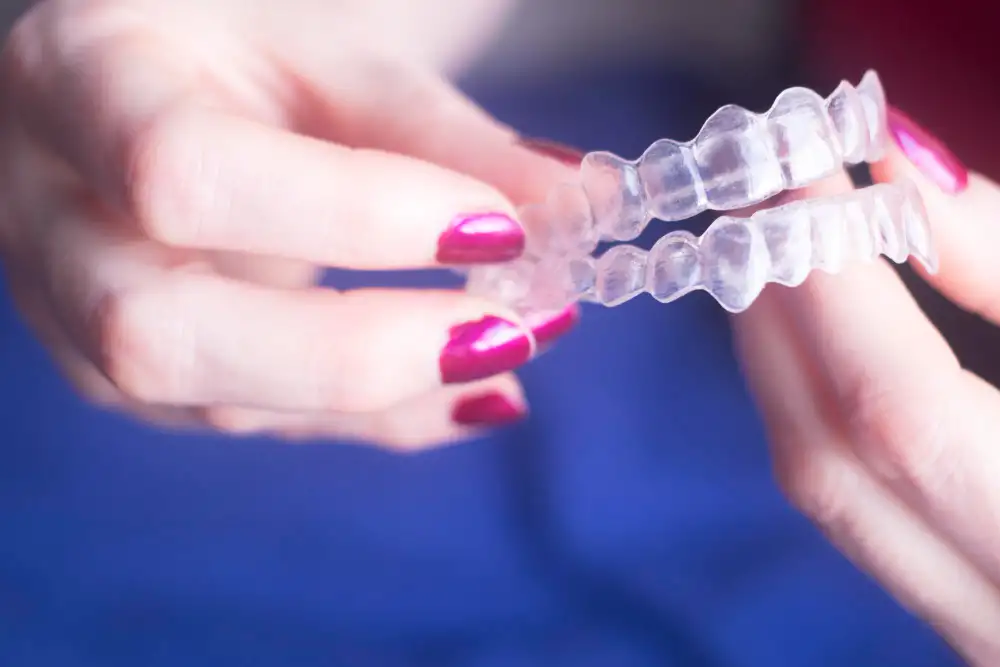
Each treatment has unique features that make it more suitable for certain dental needs. Let’s explore the pros and cons of Invisalign.
Pros of Invisalign
- Invisalign aligners are almost invisible. So, you can wear them confidently without drawing attention to your teeth.
- They are comfortable and smooth. Unlike brackets and wires, there is no scratching or irritation inside your cheeks.
- You can remove them at any time to eat and drink.
- Brushing and flossing are easy. This helps prevent plaque and cavities.
- Invisalign does not require tightening, so your appointments are usually quick and spaced out.
- The digital treatment plan shows your progress. You can see how your smile will change before you even start. This is because of advanced 3D scans.
Cons of Invisalign
1. You must wear aligners consistently for 20 to 22 hours each day. Skipping hours can slow progress.
2. They may not work for complex cases. Serious bite or jaw problems often need braces for complete correction.
3. Since they are removable and transparent, aligners are easy to lose if not stored properly.
4. The technology and customization make Invisalign slightly more expensive than traditional braces.
Now, let us look at the pros and cons of braces.
Pros of Braces
- Braces can handle everything from minor crowding to complex bite problems. They give your orthodontist precise control over every tooth.
- Since braces stay fixed on your teeth, they work all the time without you needing to do anything.
- Ceramic and lingual braces are now available for those who want a less noticeable look.
- Braces apply steady pressure that can close gaps and align teeth more quickly than aligners in some situations.
- Braces have a long track record of reliably delivering straight and healthy smiles.
Cons of Braces
- Hard and sticky foods can damage brackets and wires, so you may need to adjust your diet.
- Oral hygiene becomes more difficult as cleaning around the wires takes time and patience. Without proper brushing, staining or decay may occur.
- Braces may cause mild discomfort after adjustments. Tightening can make your mouth sore for a few days.
Braces vs Invisalign: Which One Is Better for You?
Choosing between Invisalign and braces is about how each treatment fits into your life. Think about your daily schedule at work or school, and how much time you can dedicate to your orthodontic care.
Braces can be a good fit if you want a set-it-and-forget-it approach. They’re often preferred by people who are okay with a visible treatment but want something reliable and consistent.
Invisalign may be better if convenience and flexibility are your priorities. Many adults choose Invisalign because it blends into daily life without drawing attention.
Ultimately, the right choice depends on your habits and priorities because both treatments are capable of giving you a beautiful smile. You can consult with an orthodontist to help you figure out which option fits your lifestyle best.
Meet Oso Marguerite Dental – Your Smile Experts in Mission Viejo
If you are looking for personalized and expert dental care in Mission Viejo, Oso Marguerite Dental is here for you. With over 40 years of experience, our team provides gentle and ethical treatment in a warm and patient-focused environment.
Whether you are considering Invisalign or braces, our focus is always on comfort. With full-service dental care under one roof, your experience is convenient and worry-free.
Conclusion
Invisalign and braces are both effective ways to straighten your teeth, but the right choice depends on how the treatment fits into your routine and the kind of results you want to achieve.
Talking with a qualified dentist or orthodontist if braces are better than Invisalign can provide clarity and create a plan tailored to you. By making an informed decision, you’re investing in a smile that lasts and the self-assurance it brings.


