
On average, filling a single cavity takes between 20 and 60 minutes. While simple cavity fillings can be completed in as little as 15 to 20 minutes, more complex cases or multiple cavities can take an hour or longer.
About 90% of adults worldwide have experienced at least one dental cavity in their lifetime. This eye‑opening figure shows just how common tooth decay really is and why understanding cavity treatment matters for nearly everyone.
This guide breaks everything down in a clear and practical way. You will learn how long it takes to fill a cavity, what truly affects treatment time, and how experienced dentists plan each step to ensure safe, precise, and long lasting results.
What Is a Cavity and Why Does Treating It Early Matter?
A cavity starts when bacteria in your mouth feed on leftover sugars. These bacteria produce acids that weaken enamel. Over time, that enamel breaks down and forms a small hole. At this stage, you may not feel pain, which is why cavities often go unnoticed.
The problem is not the hole itself. The problem is progression. Once decay moves past the enamel, it spreads faster. It reaches dentin and then pulp, which is when sensitivity turns into pain.
Early treatment keeps the cavity filling procedure simple and protects the natural tooth. In contrast, late treatment increases drilling time and recovery time.
How Long Does a Cavity Filling Take on Average?
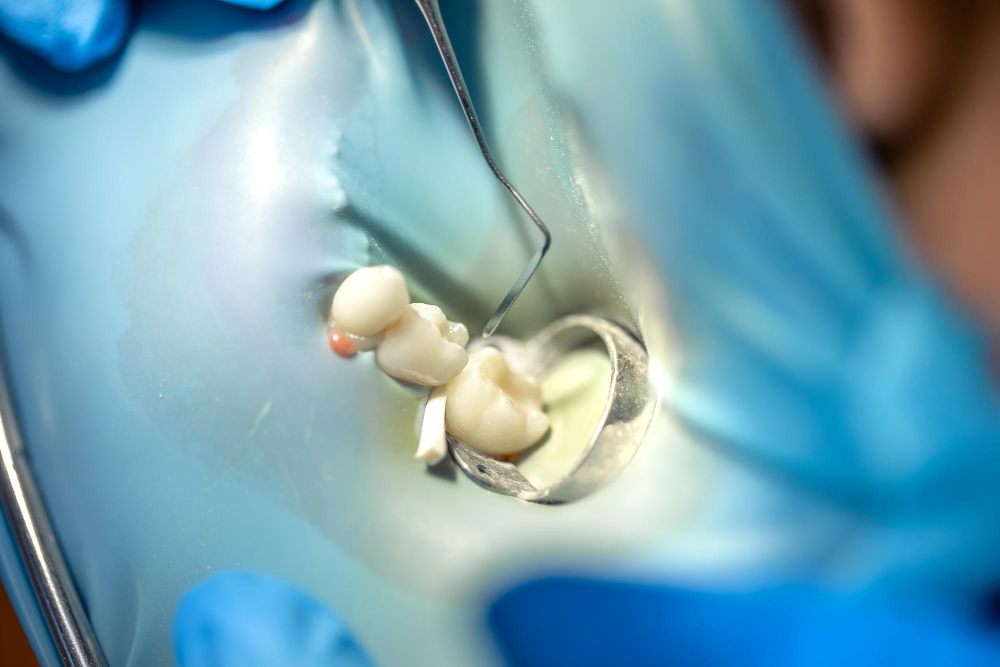
For most people, a cavity filling takes less than an hour. But a few factors can make your appointment shorter or a bit longer. Let’s dive into these factors, so you’ll know exactly what to expect at the dentist’s chair.
Size and Depth of the Cavity
A small cavity that affects only the enamel usually takes the least amount of time to treat, often 10 to 15 minutes. Deeper cavities require careful removal of decay to protect the inner tooth structure. This added precision can extend the procedure by 10 to 20 minutes but helps prevent future complications.
Location of the Tooth
The location of the cavity affects how long it takes to fill a cavity. Front teeth are easier to access and usually take less time. Back molars are harder to reach and require more control. Cavities between teeth take longer because precision tools are needed to protect neighboring teeth.
Type of Filling Material Used
Composite cavity fillings harden quickly using a curing light, while ceramic fillings often require more advanced techniques. Because each material follows a different placement process, the filling type directly affects treatment time.
Number of Cavities Being Treated
One cavity usually means a short visit. Treating multiple cavities increases chair time. Dentists often plan treatment strategically to avoid fatigue and maintain accuracy.
Comfort & Anesthesia Needs
Some patients need additional time for anesthesia to take full effect. Dental anxiety can also slightly extend the process. Allowing enough time ensures proper numbing and prevents rushing the procedure.
Patient Age
Children may require additional time due to sensitivity or difficulty remaining still. Adults typically complete the process of filling a cavity more efficiently because they can relax and follow instructions.
How Do Dentists Fill Cavities (Step-by-Step Timeline)

You may be wondering, how are cavities filled? When you understand the process, it reduces fear and confusion. Here is a step-by-step timeline showing what happens at each stage.
1. Exam & X-Rays (5–10 minutes)
The dentist examines your tooth and reviews X rays to confirm the size and depth of the decay and detect any hidden cavities between teeth.
2. Numbing the Area (5–10 minutes)
A local anesthetic numbs the area. You may feel slight pressure initially, but the tooth remains comfortable throughout the cavity filling.
3. Removing the Decay (10–20 minutes)
The dentist removes decayed material and cleans the area thoroughly. This step improves the lifespan of the cavity filling.
4. Placing the Filling (5-10 minutes)
The filling material is placed in layers and shaped carefully to match your bite.
5. Bite Check & Polishing (5 minutes)
The dentist smooths the filling and checks alignment so the tooth feels natural when you bite and chew.
Your Trusted Destination for Cavity Fillings: Oso Marguerite Dental
At Oso Marguerite Dental, we provide reliable cavities filling focused on comfort and long-term tooth health. Our team uses modern technology and careful techniques to treat decay early and preserve natural tooth structure. Every recommendation is honest and tailored to your needs, so you always understand your options.
Conclusion
A cavity filling is one of the most effective dentist recommended treatments for protecting long term oral health. In most cases, treatment takes less than an hour and prevents far more serious dental problems.
When you understand how long does it take to fill a cavity you can make confident decisions instead of delaying care. By addressing decay early and choosing a trusted dental team like Oso Marguerite Dental, the process becomes manageable and less stressful.
FAQs
How Long Do Cavity Fillings Last?
Most cavity fillings last between 5 and 15 years, depending on the material used and your oral hygiene habits.
How Do You Fill Cavities Between Teeth?
Dentists use special separators and bands to protect adjacent teeth, allowing proper shaping and flossing after treatment.
Does filling a cavity hurt?
The procedure does not hurt due to numbing. Mild sensitivity afterward is normal and usually resolves within a few days.


