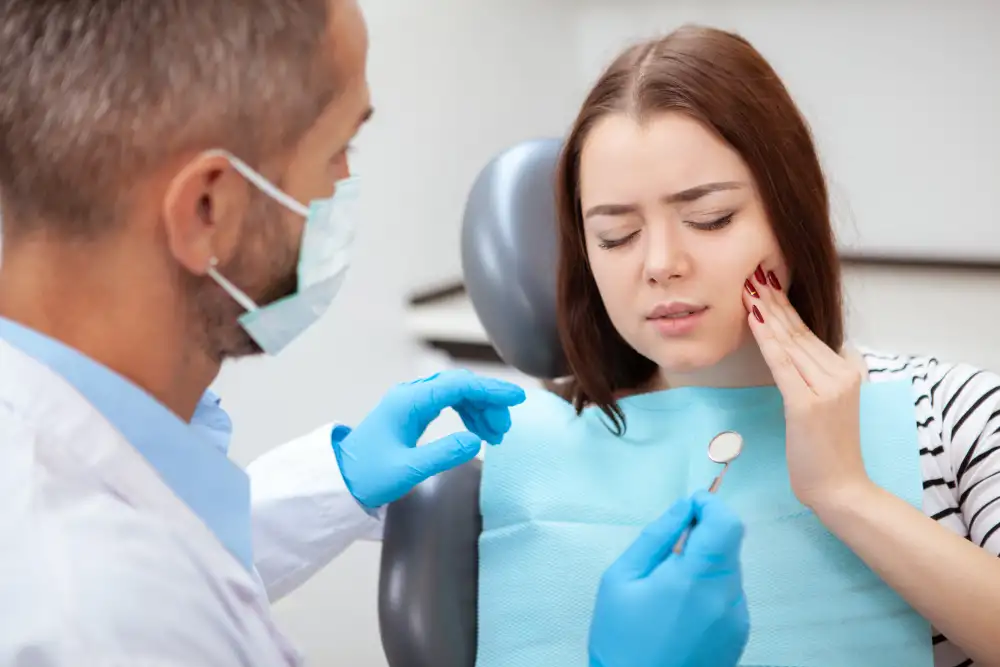
Dental implants have advanced significantly over the years. With modern techniques, they are now one of the most comfortable and reliable ways to restore your smile. Despite this, many people still ask: Do dental implants hurt?
In this guide, we’ll explain what getting dental implants is really like and how much discomfort you can expect. You’ll also learn what the recovery process typically looks like from start to finish.
What Are Dental Implants and Why Might You Need One?

During the treatment, the dentist places a small titanium post into your jawbone, which naturally fuses with the bone over time. Once the area heals, a custom-made crown is attached to the implant. This implant restores your tooth’s natural look, strength, and function.
People choose dental implants for different reasons. Some want to replace a tooth lost due to injury or decay. Others are looking to restore their ability to eat comfortably and speak clearly. And many simply want a confident smile that stays in place, without worrying about gaps or shifting teeth.
Are Dental Implants Painful?
During the procedure, most people feel little to no pain. Your dentist will numb the area with local anesthesia, so you may only notice gentle pressure or vibrations, but no sharp sensations. Many patients even say that getting an implant is easier than having a tooth removed.
Once the anaesthesia wears off, it’s normal to experience some tenderness around the implant site. This soreness usually peaks during the first two to three days and then gradually fades. At this stage, any discomfort is generally mild and can be managed with over-the-counter pain relievers.
You can think of it like the soreness after a good workout that is uncomfortable but manageable. It is a sign that your body is healing.
4 Key Factors That Affect Pain During Dental Implants

Comfort levels may vary from person to person. Here are four main factors that affect how much discomfort you might feel during a dental implant procedure:
- Number of Implants Placed
If you’re getting just one implant, the procedure is usually quick and straightforward. But having several implants done at once can lead to more soreness afterward, since your body is healing in multiple areas at once.
Your dentist can make recovery smoother by scheduling your visits wisely. They can either give you enough time to heal between appointments or combine them when it helps your healing process.
- Bone Density and Complexity of the Procedure
Your jawbone density determines how the implant fits. In areas with softer bone, your dentist uses slower and gentler steps to avoid strain.
If your procedure involves additional steps, such as a bone graft or sinus lift, you may experience mild soreness for a bit longer.
- Existing Oral Health Issues or Infections.
Healthy gums help your mouth heal faster after a dental implant. If you have gum disease or an infection, you might feel more soreness, and it may take longer for your gums to recover after an implant.
That’s why your dentist will often treat these issues first and create a healthier foundation for dental implants.
- Age and General Health
Your overall health affects recovery speed. Young or healthy adults may heal faster.
Older adults or those with certain health conditions may need extra time for tissues to settle. Your dentist will guide you with a plan tailored to your health and comfort.
Day-By-Day Dental Implant Recovery & Pain Management Tips
If you know what to expect after your implant, recovery can feel a lot less stressful. Here’s a simple, day-by-day look at what most people experience as they heal.
| Day | What You Might Feel | Recommended Care |
| Day 0 | Numbness from anesthesia lasts several hours. Mild pressure but no sharp pain. | Rest and keep your head slightly elevated. Apply cold compresses to reduce swelling. |
| Day 1 | Tenderness increases slightly as numbness wears off. Swelling begins. | Take prescribed or recommended pain medication. Stick to soft foods like soup or mashed potatoes. |
| Day 2–3 | Peak swelling and soreness. Gums may feel tight. | Continue cold compresses. Avoid chewing on the implant side. |
| Day 4–7 | Noticeable improvement. Mild soreness only when touching the area. | Switch to warm saltwater rinses. Resume normal brushing away from the implant. |
| Week 2 | Little to no discomfort. Tissue looks healthier. | Resume a normal diet slowly. Contact your dentist if the pain increases instead of fading. |
Oso Marguerite Dental: Best Place to Get Dental Implants in Mission Viejo
Dental care feels different when your team truly listens. At Oso Marguerite Dental, every patient receives personalized attention and expert guidance from start to finish.
With over 40 years of combined experience, our skilled dentists have restored countless smiles using the latest implant technology. From single-tooth replacements to full-mouth restorations, every stage of your treatment ensures comfort and quality care.
Conclusion
The simple answer to “Do dental implants hurt?” is no. Thanks to modern techniques and effective numbing, discomfort after dental implants is minimal and short-lived. Most patients compare it to mild soreness that fades within a few days.
What once sounded like a painful procedure is now a gentle treatment that helps you eat and smile with confidence.
With the right dental team, you can enjoy a healthy smile that lasts for years. At Oso Marguerite Dental, that is exactly what we deliver every day for our Mission Viejo patients.


