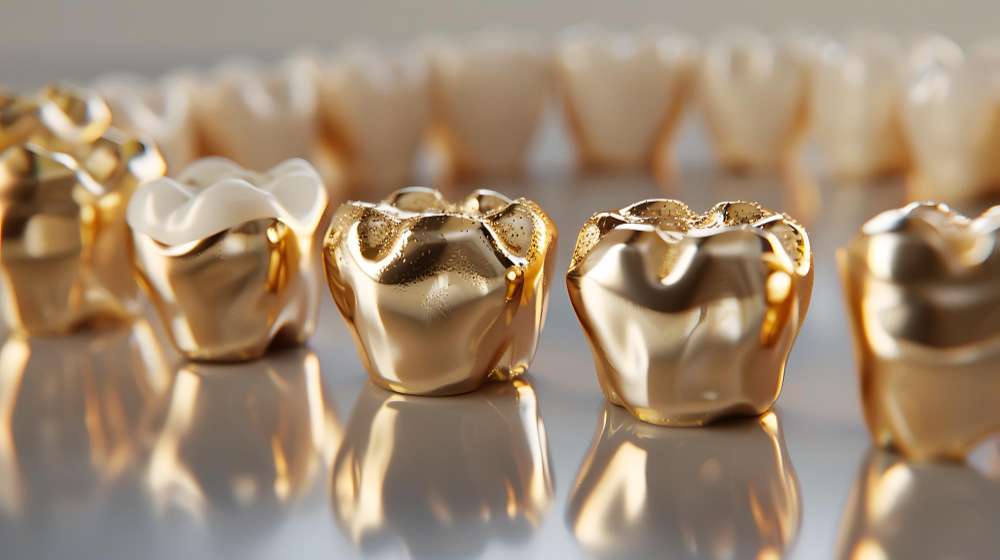
Are you thinking about getting a gold filling but don’t know what to expect? For many years, dentists have trusted gold fillings because they are strong and long lasting. However, there are a few downsides as well, such as their noticeable metallic appearance and higher cost.
Before choosing gold fillings, it is important to have a clear understanding of the key details. In this article, we will walk you through everything you need to know about gold fillings, from safety and benefits to important considerations, so you can make the right dental choices.
What Are Gold Fillings?
Gold fillings are dental restorations made of gold and other metals, like:
- Platinum
- Palladium
- Silver
Dentists often use gold fillings for inlays or onlays to repair damaged teeth. Inlays are smaller and usually restore one or two tooth surfaces. Onlays are larger and cover more of the chewing surface, almost like a mini gold crown, helping strengthen weakened areas called cusps.
The gold filling is shaped in a dental lab first and then placed in your mouth during a second visit.
Are Gold Fillings Safe?
Most people can safely get gold fillings because they are highly biocompatible. That means that gold does not irritate the gums or other tissues in the mouth and does not release harmful substances.
Gold does not break easily, so there is very little chance of plaque forming around the edges of a gold filling.
Some people may have an allergic reaction to certain metals. Although this is rare, it is best to talk to your dentist about your health history before getting any dental work done.
5 Amazing Benefits of Choosing Gold Fillings
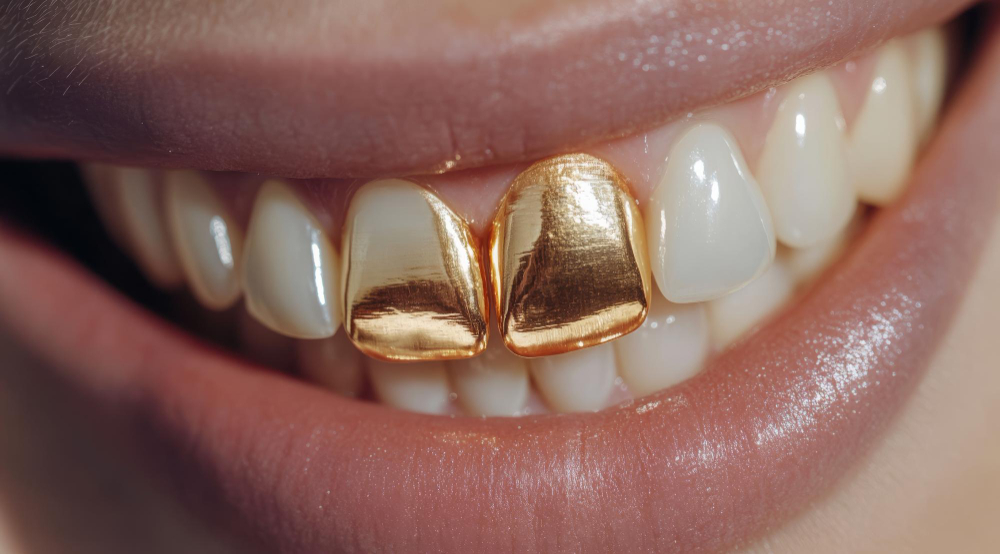
When you compare gold fillings to other materials, several clear advantages stand out. Let us look at some of the benefits that make gold fillings an attractive option for many patients.
1. Strong and Long-Lasting
Gold fillings can last 20 to 30 years or more. Because gold is a strong metal, it can handle heavy chewing without breaking. A gold filling will not wear down easily, even if you grind your teeth or apply significant pressure while chewing.
2. Perfect Fit for Better Protection
Gold is naturally soft and easy to shape, which allows dentists to create a filling that fits your tooth with exceptional precision.
A gold filling forms a firm seal that blocks bacteria and reduces the risk of recurring decay. This helps keep your natural tooth healthy in the long term.
3. Gentle on Natural Teeth
Gold fillings are smooth and soft enough that they do not damage opposing teeth. When you chew, a gold filling causes minimal friction, which helps protect your natural enamel. This makes gold fillings a great choice for people with sensitive teeth or bite issues who need extra protection.
4. Resistant to Corrosion And Discoloration
Gold fillings do not oxidize or change color over time. A gold filling remains smooth and shiny, maintaining its shape and function for many years.
5. A Smile with a Unique Gold Filling
Gold fillings are not invisible, but their distinct appearance can be a benefit. Some people appreciate the classic look of a gold filling smile. Others prefer gold fillings only on back teeth where they are less visible. Either way, a gold filling can give your smile a unique look while remaining strong for years.
Considerations Before Getting Gold Fillings
Although gold fillings are very durable, there are some disadvantages you should consider before choosing them, including:
Higher Upfront Cost
Gold is a valuable metal, so it costs more than composite or amalgam restorations.
Many patients still choose it because it lasts so long that replacements are rarely needed. This can reduce your long-term dental costs.
Need Multiple Visits
Gold fillings are custom crafted outside the mouth. This process requires precision and time, so more than one dental visit is necessary. Some patients do not mind this schedule, while others prefer a single visit treatment.
Not Easy to Adjust After Placement
Once a gold filling is placed, it can be more difficult to adjust than other materials. If your bite changes or refinements are needed later, your dentist may need to perform additional procedures.
Gold Fillings vs Other Materials: What You Should Know
Here is a quick comparison of gold fillings with other common filling materials:
| Filling Type | Strength and Durability | Aesthetics | Biocompatibility and Safety | Other Notes |
| Gold | Very strong for heavy chewing | Visible; style choice for some people | No mercury or BPA | Requires multiple visits and higher cost |
| Composite | Less durable; wears sooner | Tooth colored | Generally safe | One visit and lower cost |
| Amalgam | Strong but reacts to temperature shifts | Silver and noticeable | Contains mercury | Budget friendly and used in back teeth |
| Ceramic | Strong but brittle | Very natural looking | Metal free | More fragile and costly than composite |
Learn About Your Best Filling Choices at Oso Marguerite Dental
If you’re looking for expert guidance in choosing the right filling for your smile, we’re here to help. At Oso Marguerite Dental, we offer modern treatments that help keep your mouth healthy for a long time.
During your visit, we will explain the different filling materials and how each one performs in real life situations. Our goal is to help you understand which option best fits your needs, comfort, and durability goals.
Conclusion
Gold fillings are safe and effective materials for restoring teeth. A gold filling fits precisely, resists corrosion, and can last for decades without losing its shape.
However, it is important to consider the higher cost and the need for multiple appointments. With these factors in mind, you can make a well balanced decision.
When you want expert advice that feels honest and supportive, the team at Oso Marguerite Dental is here to help you explore the most reliable filling options for your smile.


